

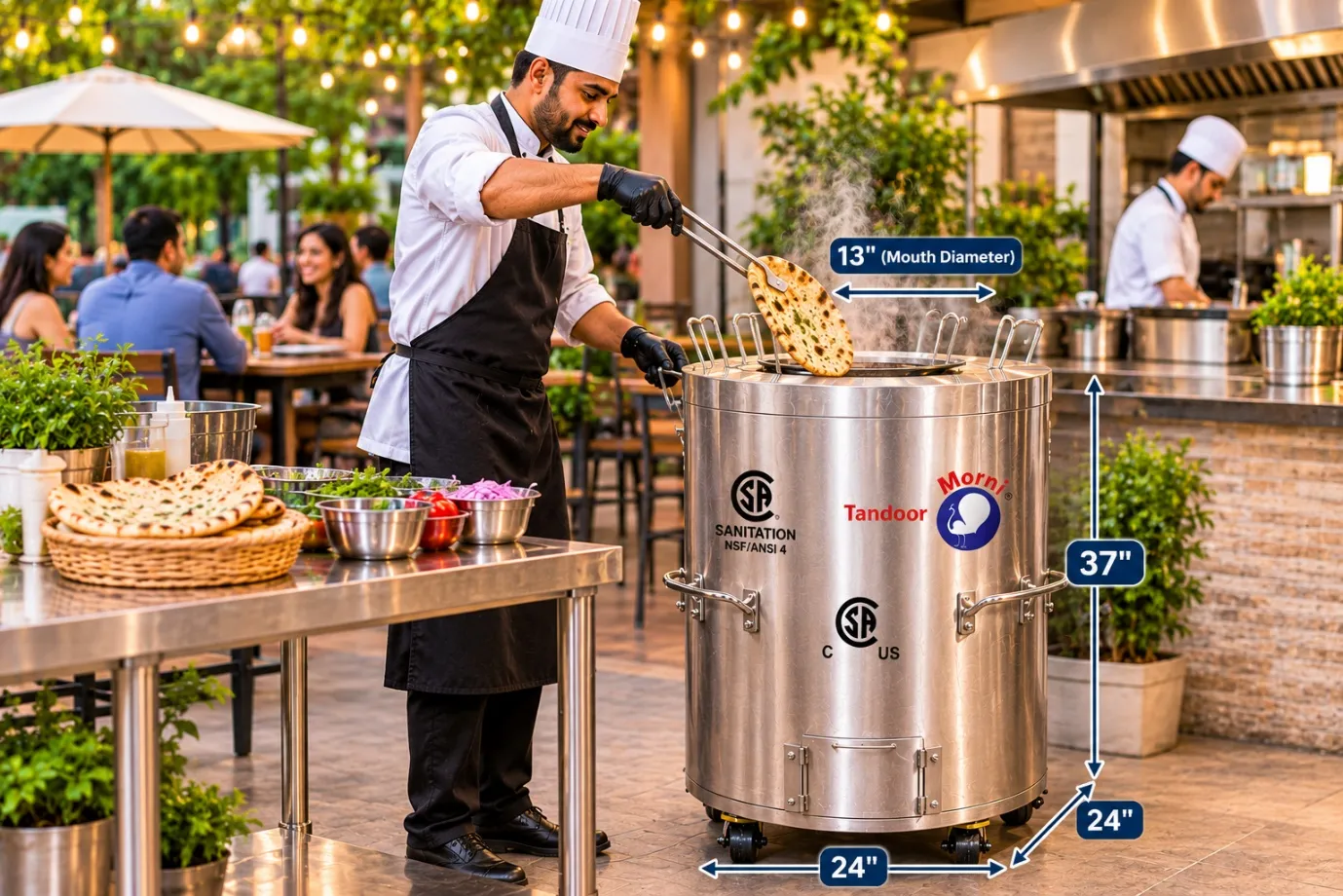
Catering Tandoor
A wedding buffet, a festival lunch, and an anniversary dinner may all promise the same thing: hot, generous food that people remember. Delivering it to hundreds of guests is a different challenge. A catering tandoor can become the centerpiece of a live station, but the success of the day depends on pacing, coordination, and small decisions made long before the first guest arrives. This guide focuses on the human side of large celebrations, from guest needs to service waves.
Confirm the Guest List and Dietary Needs
Ask the host early about the number of guests, the age range, and any dietary needs. Vegetarian, vegan, and allergy-related requests should be confirmed in writing. A short questionnaire sent through the planner can collect most of this information.
Plan separate preparation space, tools, and skewers for special diets to avoid cross-contact. Mark dishes clearly so servers and guests can choose with confidence. Keep vegetarian dishes and meat dishes on separate trays, with separate tongs.
Knowing the guest profile helps decide how much a tandoor oven can cook, and where other equipment should support it. Good information early prevents awkward surprises later.
Decide Between a Live Station and a Buffet
A live station lets guests watch bread and skewers of kebab come hot from the tandoor oven. A buffet is easier to manage but may not feel as special. Cost, space, and the number of cooks available all affect the decision.
Many hosts choose a mix: breads cooked live, with the rest of the dishes prepared in advance. This balances atmosphere with reliability and keeps the cook’s workload sensible. Ask the host which feels more suitable for the mood of the celebration.
Using a catering tandoor as a live station adds theatre, but it also needs space, attention, and a dedicated cook. Discuss both sides with the host before deciding. Clear expectations protect your reputation as well as your food.
Plan the Order of Courses and Cooking
Work backward from the schedule of speeches, ceremonies, and photographs. Dinner timing at celebrations often shifts, so build flexibility into the plan. Ask when the family prefers to eat, since cultural customs can shape the evening.
Serve starters first and keep the main skewers for when guests are seated or lined up. Breads should come last, because they are best fresh from the wall. Plan a small quiet window before the main rush to restock and reset. Keep spare skewers clean and ready beside the catering tandoor.
Share a timeline with the planner so the tandoor oven team knows exactly when to start each round. A delay of fifteen minutes should never surprise anyone.
Divide the Crowd Into Service Waves
Serving two hundred people at once overwhelms any station. Invite tables or groups in waves, and spread the load across the evening. Waves also give you time to refresh trays, clean tools and skewers, and restock the catering tandoor station.
Ask the planner or host to announce waves clearly. Ushers or family helpers can keep the line orderly and prevent crowding near the cooking area. A friendly announcement works better than a rope barrier and sounds far more welcoming.
A catering tandoor can manage a steady flow if the rounds are scheduled, but it cannot serve everyone in the same minute. Realistic pacing keeps food hot and guests happy. Pacing is a form of hospitality.
Coordinate With Other Vendors on Site
Florists, decorators, DJs, and photographers share the venue. Learn their schedules and keep the catering tandoor area clear of their equipment. Good relationships with other vendors often lead to referrals and repeat work.
Introduce yourself to the venue manager and the planner at the start. Confirm access times, power sources, and loading routes before the event day. Ask about electrical use and fire rules, because venues often set their own limits.
A catering tandoor station is hot and busy, so make sure other vendors understand where not to set up. A friendly conversation early avoids tense moments later. Share your contact details with the planner so you can be found quickly.
Keep Cooking Staff Rested and Hydrated
Cooking over a hot tandoor oven for hours is tiring. Schedule breaks, provide water, and rotate positions if possible. Cooks who work for hours without rest cannot be expected to keep high standards.
Fatigue leads to errors, burns, and dropped food. A rested cook is a safer one, and a team that feels looked after works better together. Keep a cooler of water and light snacks within reach of the catering tandoor station.
Planning shifts around the demands of a tandoor oven is one of the simplest ways to protect both staff and food quality. Build the breaks into the timeline, not into the hope. A short break often saves a longer mistake.
Keep Elders and Children in Mind
Celebrations include guests of all ages. Offer mildly spiced options, such as tender skewers, softer bread, and clearly marked dishes for those with sensitive tastes. Do not forget that older guests may find very hot or very spicy food difficult.
Seat elders near the service line or arrange for a helper to bring plates. Small kindnesses are remembered long after the dessert is gone. A cheerful helper at the line can make all the difference for families with young ones.
Make sure the tandoor oven is protected from curious children, with a clear barrier and a staff member watching. A hot surface and a crowded room need constant attention.
Prepare Backup Quantities Quietly
Extra guests, second helpings, and delayed schedules all increase demand. Have an additional marinated batch ready for the skewers, and keep it cold. Quantities depend on the menu, but a modest extra margin is usually wise.
Do not announce the backup stock, and do not waste it. Use leftovers according to safe handling rules, and note the quantities for future events. A cooler and clean containers keep the extra food safe until it is needed.
Hosts considering a catering tandoor should consider how easily extra rounds can be added when the crowd grows. Flexibility is worth more than a high peak speed.
Close the Event Gracefully and Collect Feedback
Ask the host or planner how the event went before you leave. Thank the guests who stopped to compliment the food. A short note of thanks to the host is remembered long afterward.
Photograph the catering tandoor setup for your records, and note what to change next time. Notes made immediately are the most honest and the most useful. Include what the guests enjoyed most, so you know what to repeat.
Learning from every celebration helps your tandoor oven service grow more polished and dependable. Each event becomes a rehearsal for the next one.
Conclusion
Large celebrations are remembered for feelings as much as flavors. Guests may not recall every dish, but they will recall whether the food arrived warm, whether the line moved, and whether the cooks seemed unhurried. Planning for pacing, people, and small surprises gives the day room to breathe. For those building or expanding a catering tandoor setup, Tandoor Morni is worth a visit to review tandoor ovens and related equipment. A well-run catering tandoor station quietly tells the hosts that their celebration was in good hands.